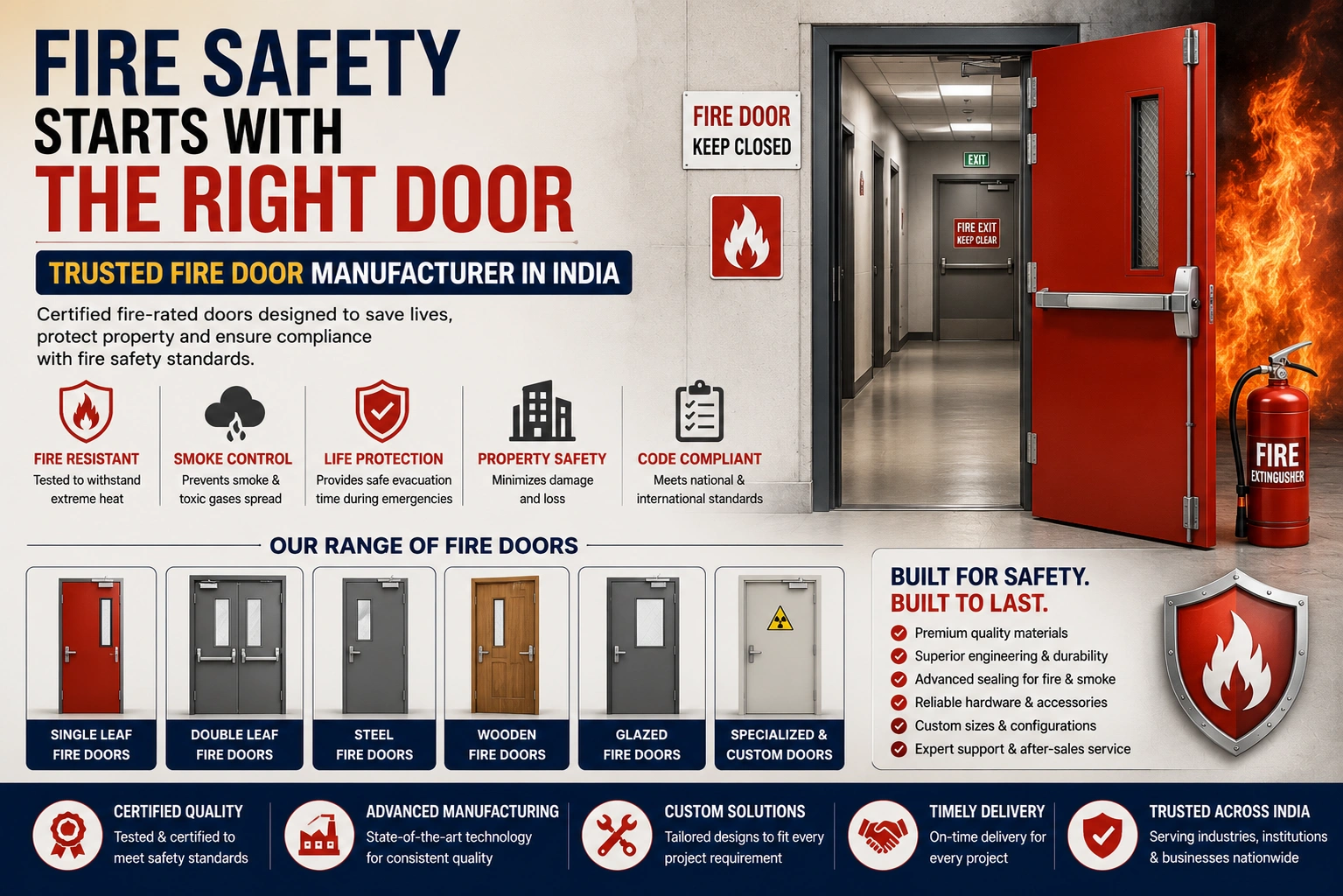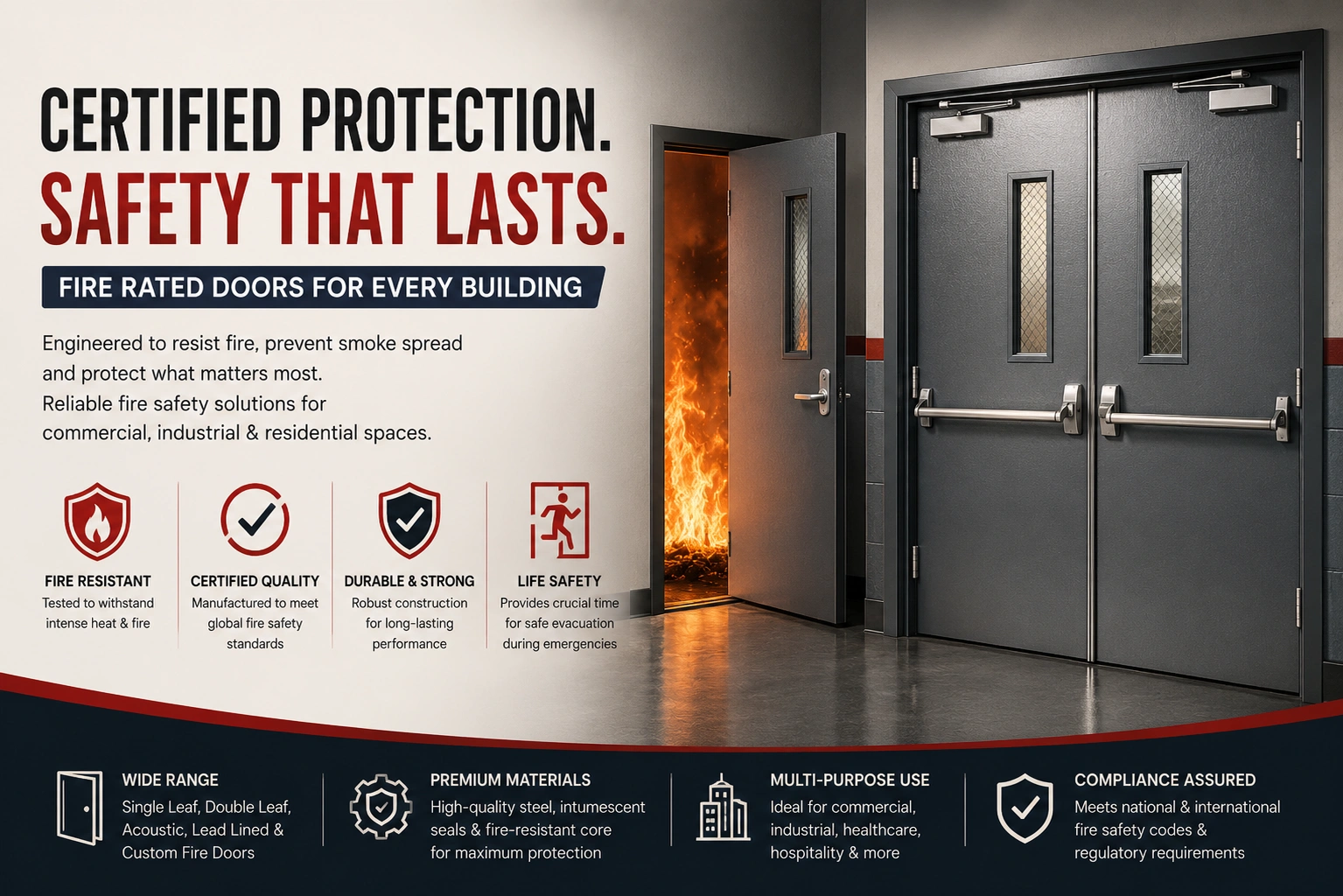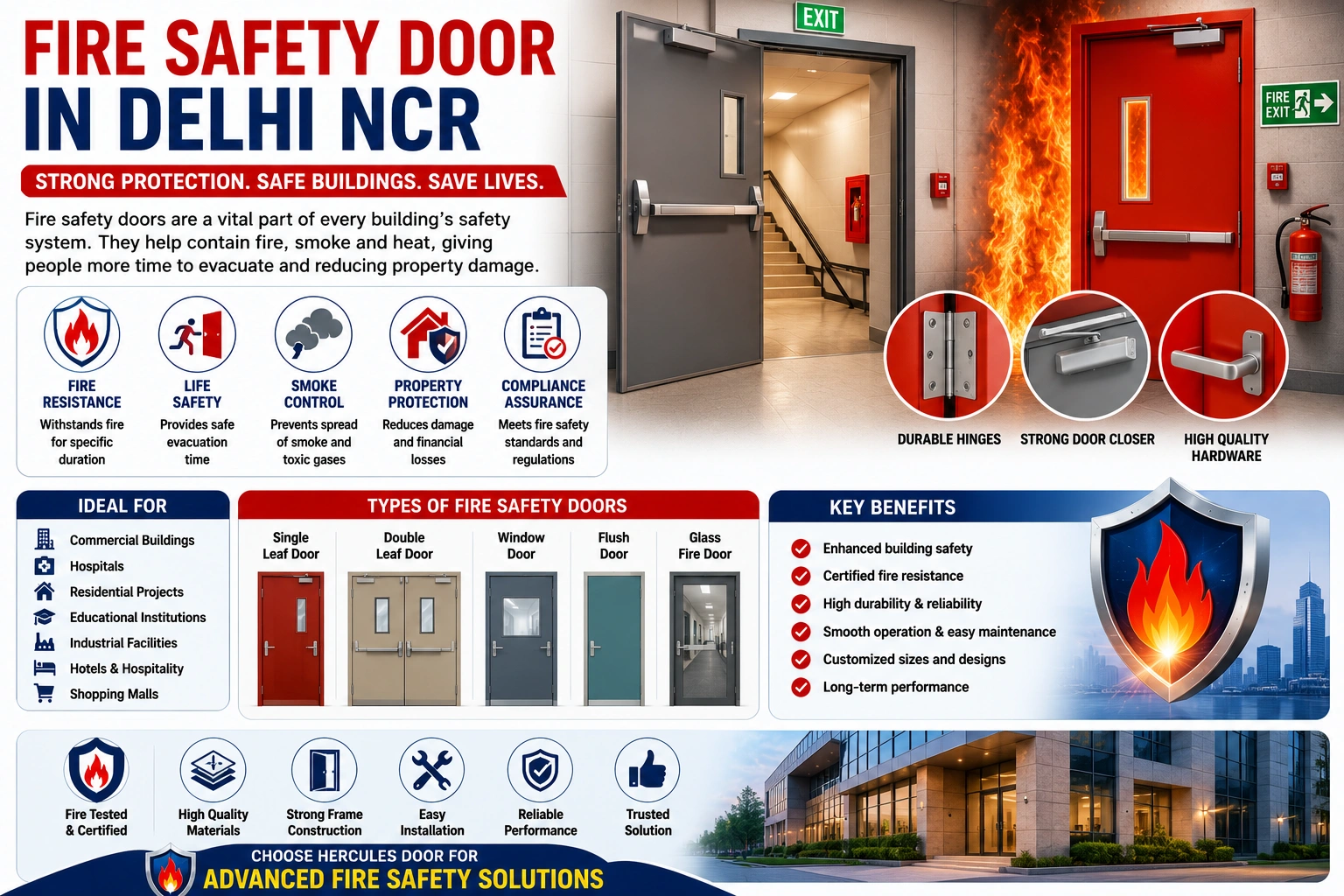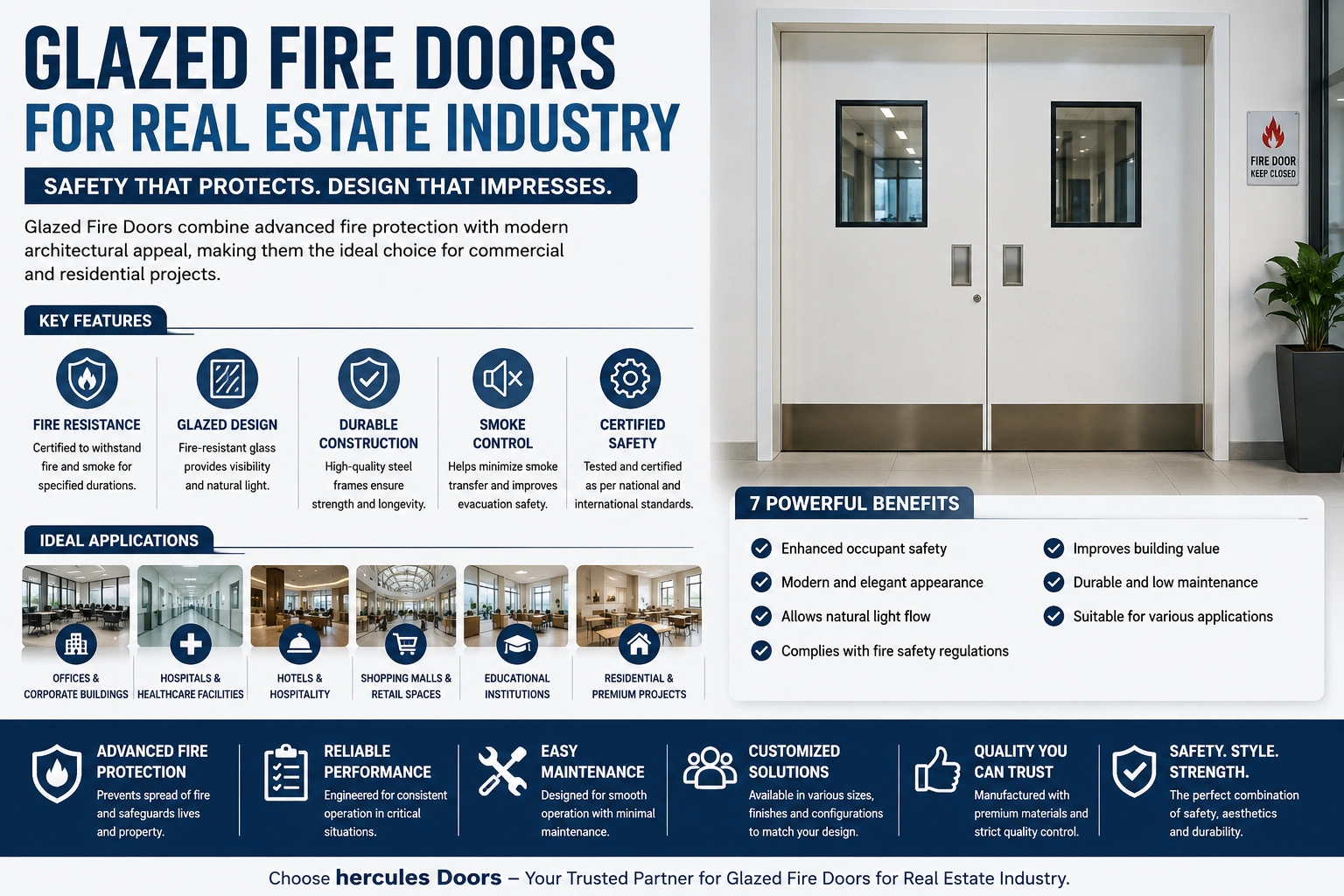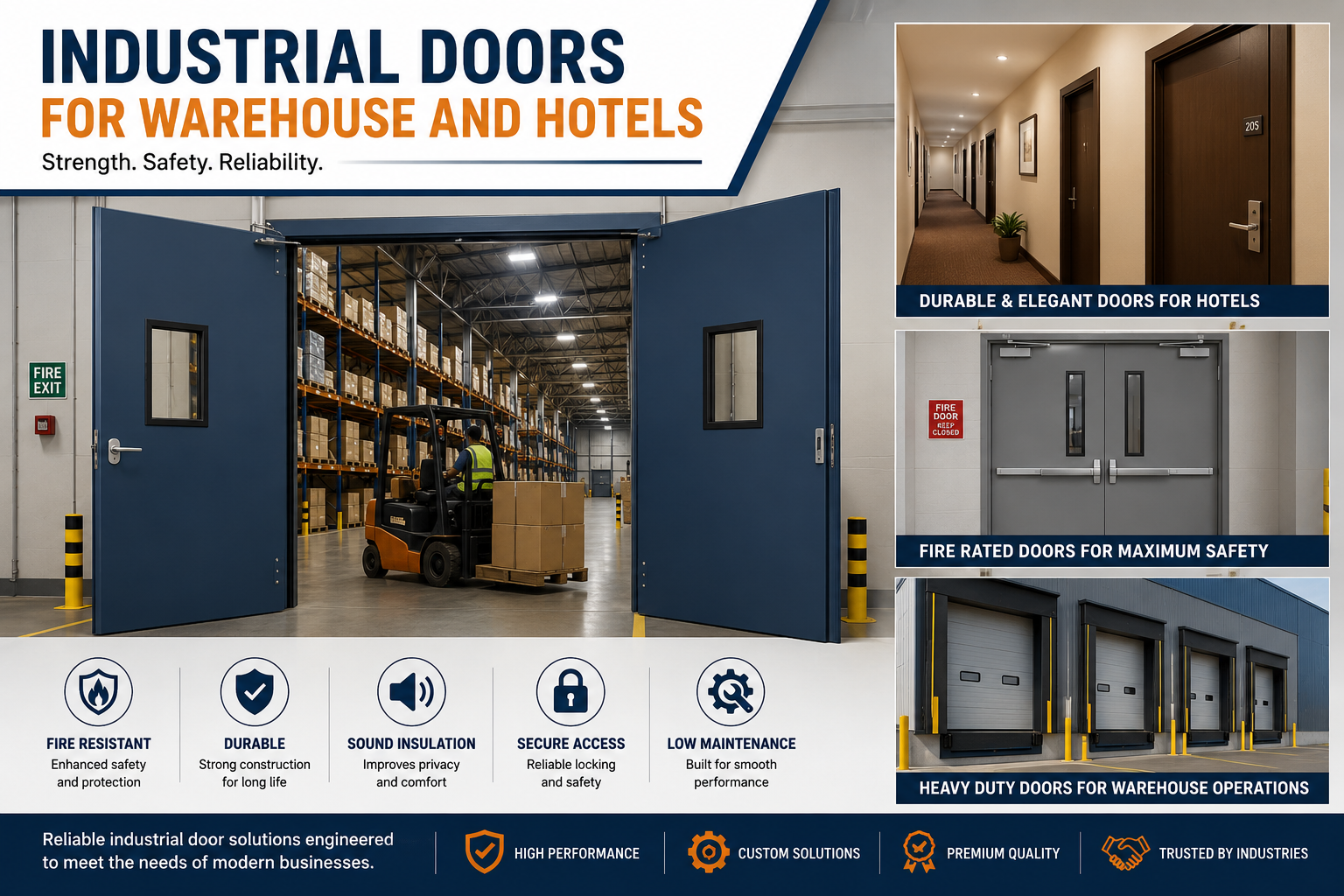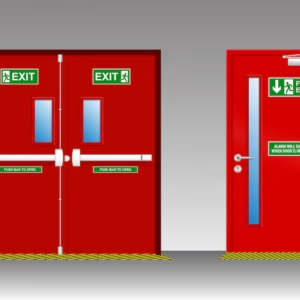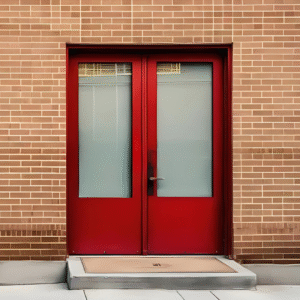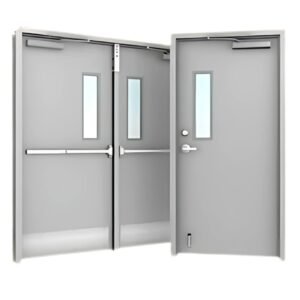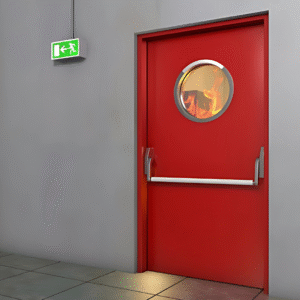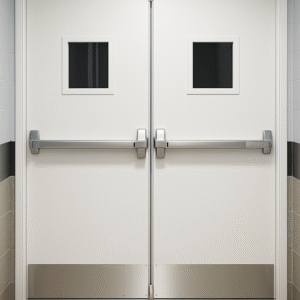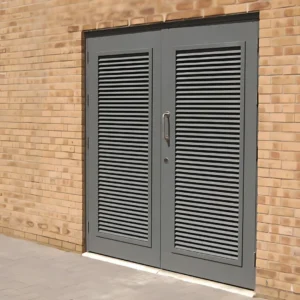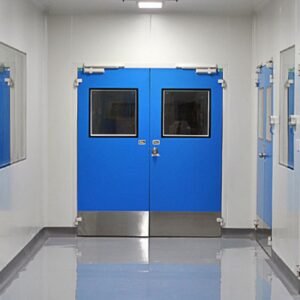
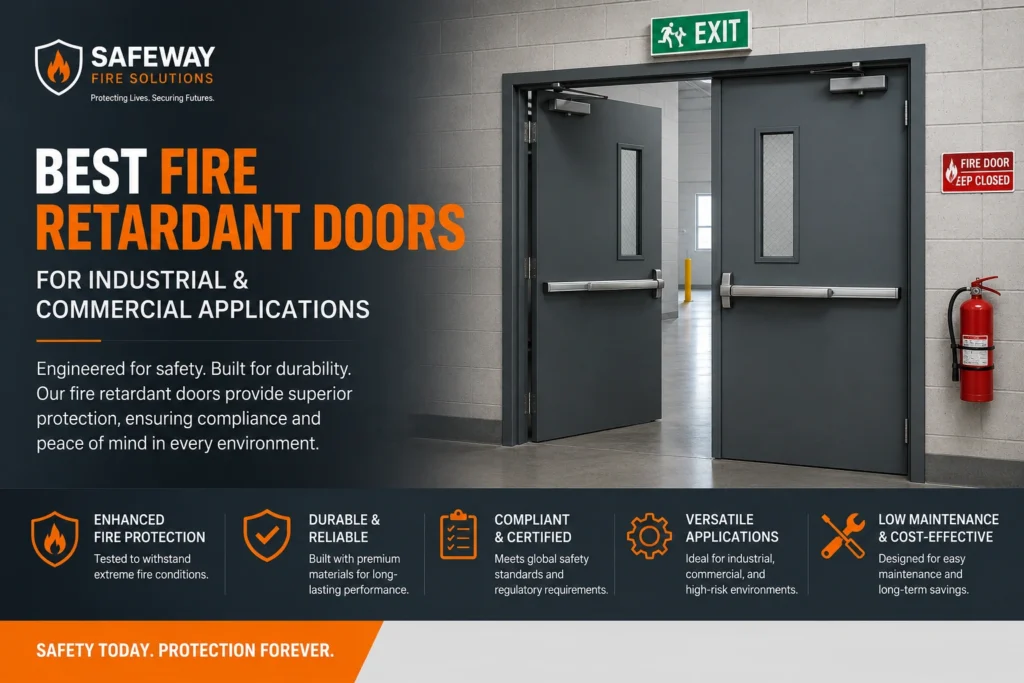
Safety has become one of the most important priorities in modern industrial and commercial infrastructure. Businesses today focus not only on productivity and design but also on ensuring maximum protection against fire-related risks. Fire safety systems play a critical role in reducing damage, protecting property, and safeguarding human lives during emergencies. Among the most essential safety solutions used in buildings today are Fire Retardant Doors, which are specifically designed to help control the spread of fire and smoke.
Industrial facilities, office complexes, hospitals, educational institutions, warehouses, shopping malls, and residential buildings increasingly rely on fire-resistant systems to meet safety standards and improve emergency preparedness. Properly installed fire-resistant doors can help create safer evacuation routes while minimizing structural damage during fire incidents.
Importance of Fire Safety in Modern Infrastructure
Fires can spread rapidly in enclosed environments, causing severe property loss and endangering lives within minutes. In industrial and commercial buildings where electrical systems, machinery, chemicals, and large numbers of occupants are present, preventive fire safety measures become extremely important.
Modern safety regulations require businesses to install approved fire protection systems that help reduce the impact of accidental fires. Fire-resistant barriers, alarms, extinguishers, sprinklers, and emergency exits are all important components of a complete fire safety strategy.
Doors designed with fire-resistant properties help contain flames and smoke within a controlled area for a specific duration. This additional time can significantly support evacuation procedures and emergency response operations.
What Are Fire Retardant Doors?
Fire-resistant doors are specially engineered doors manufactured using materials that can withstand high temperatures and prevent the spread of fire for a designated period. These doors are commonly installed in staircases, emergency exits, corridors, industrial zones, electrical rooms, and sensitive operational areas.
The primary purpose of these doors is to slow down the movement of flames and smoke from one section of a building to another. They are usually tested and certified according to industry safety standards to ensure reliability during emergencies.
Today, many businesses prioritize the installation of Fire Retardant Doors because they contribute significantly to workplace safety and regulatory compliance.
Applications in Industrial and Commercial Spaces
Fire-resistant doors are widely used across different industries and infrastructure projects because of their protective capabilities and durability.
Industrial Facilities
Manufacturing plants and factories often contain machinery, chemicals, and electrical systems that increase fire risks. Fire-resistant doors help isolate hazardous areas and reduce fire spread within the premises.
Commercial Buildings
Corporate offices, malls, and retail centers require strong fire safety systems due to high public occupancy. Properly installed doors help protect escape routes and support emergency evacuations.
Hospitals and Healthcare Centers
Healthcare institutions require continuous protection because patients may have limited mobility during emergencies. Fire-resistant systems help improve safety management and emergency preparedness.
Educational Institutions
Schools, colleges, and universities use fire-resistant systems to create safer learning environments for students and staff.
Warehouses and Storage Areas
Warehouses storing valuable goods and materials often require advanced fire safety solutions to minimize operational and inventory losses.
Key Features of Quality Fire Doors
Choosing the right fire-resistant door requires understanding the features that contribute to durability, performance, and safety.
High Temperature Resistance
These doors are designed to withstand extreme heat for a specified duration, commonly ranging from 30 minutes to several hours depending on safety requirements.
Smoke Control
Many fire-resistant systems are designed to limit smoke movement, improving visibility and reducing inhalation risks during emergencies.
Durable Construction
Quality fire doors are built using robust materials such as galvanized steel, mineral cores, and reinforced components for long-term durability.
Acoustic and Thermal Benefits
In addition to fire protection, some doors also provide sound insulation and thermal efficiency benefits.
Compliance With Safety Standards
Certified products undergo rigorous testing to ensure compliance with national and international safety regulations.
Businesses should always work with a trusted fire door manufacturer to ensure product quality, certification, and installation reliability.
Factors Affecting Fire Door Selection
Selecting the right fire-resistant solution depends on several important factors related to building structure, risk level, and operational requirements.
Fire Rating Requirements
Different facilities require varying fire resistance durations depending on safety regulations and building design.
Material Quality
The durability and performance of fire-resistant systems depend heavily on the quality of construction materials used.
Installation Standards
Improper installation can reduce effectiveness during emergencies. Professional installation is essential for optimal performance.
Maintenance and Inspection
Regular inspections help ensure that fire doors remain functional and compliant with safety requirements.
Budget and Project Scope
Businesses often evaluate specifications and fire door price options based on project scale, safety priorities, and operational needs.
Benefits of Installing Fire-Resistant Doors
Investing in advanced fire safety systems provides several long-term advantages for businesses and property owners.
Enhanced Safety
The primary benefit is improved protection for occupants during fire emergencies.
Reduced Property Damage
Containing flames within a limited area can significantly minimize structural and equipment damage.
Regulatory Compliance
Installing certified fire-resistant systems helps businesses comply with building safety regulations and fire codes.
Improved Emergency Management
Fire-resistant doors support safer evacuation procedures and allow emergency responders better control during rescue operations.
Increased Business Confidence
Customers, employees, and stakeholders feel more secure in facilities equipped with advanced safety infrastructure.
These advantages have encouraged many industries to collaborate with an experienced fire door company for customized fire protection solutions.
Importance of Professional Installation
Even the highest-quality fire-resistant systems require proper installation for effective performance. Poor fitting, incorrect hardware, or damaged components can reduce the door’s ability to contain fire and smoke.
Professional installation teams understand safety requirements, building layouts, and compliance guidelines necessary for optimal functionality. Routine inspections and timely maintenance are equally important for maintaining long-term performance.
Businesses should ensure that all fire safety systems are installed and maintained according to approved industry standards.
Future of Fire Safety Solutions
As infrastructure projects continue to expand, fire safety technology is becoming more advanced and efficient. Smart fire protection systems integrated with sensors, alarms, and automated controls are increasingly being adopted in modern buildings.
Architects and developers now prioritize fire safety during the initial planning stages rather than treating it as a secondary requirement. Sustainable materials, improved testing standards, and customized safety designs are also influencing the future of fire protection infrastructure.
The growing awareness regarding workplace safety and disaster preparedness is expected to increase demand for reliable fire-resistant solutions across industrial and commercial sectors.
Conclusion
Fire safety is an essential component of responsible infrastructure management. Industrial and commercial buildings require reliable systems that help reduce risks, protect lives, and minimize operational damage during emergencies.
High-quality fire-resistant systems provide long-term protection, support regulatory compliance, and improve overall building safety standards. Businesses investing in advanced fire protection solutions can create safer environments for employees, customers, and visitors while improving operational confidence and emergency preparedness.
Choosing trusted products, professional installation services, and regular maintenance practices can make a significant difference in ensuring effective fire safety performance over time.